History header

History

The Need

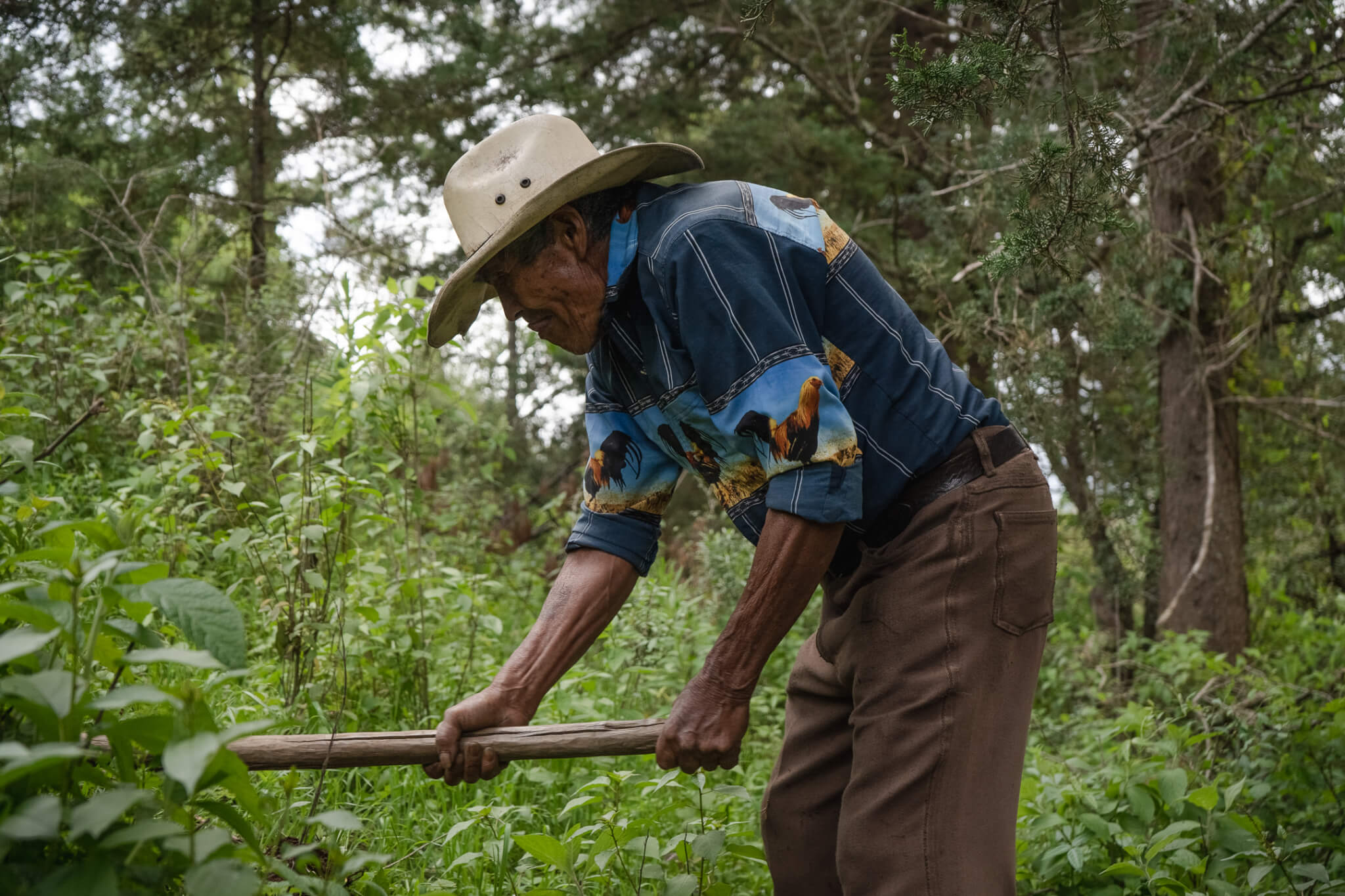
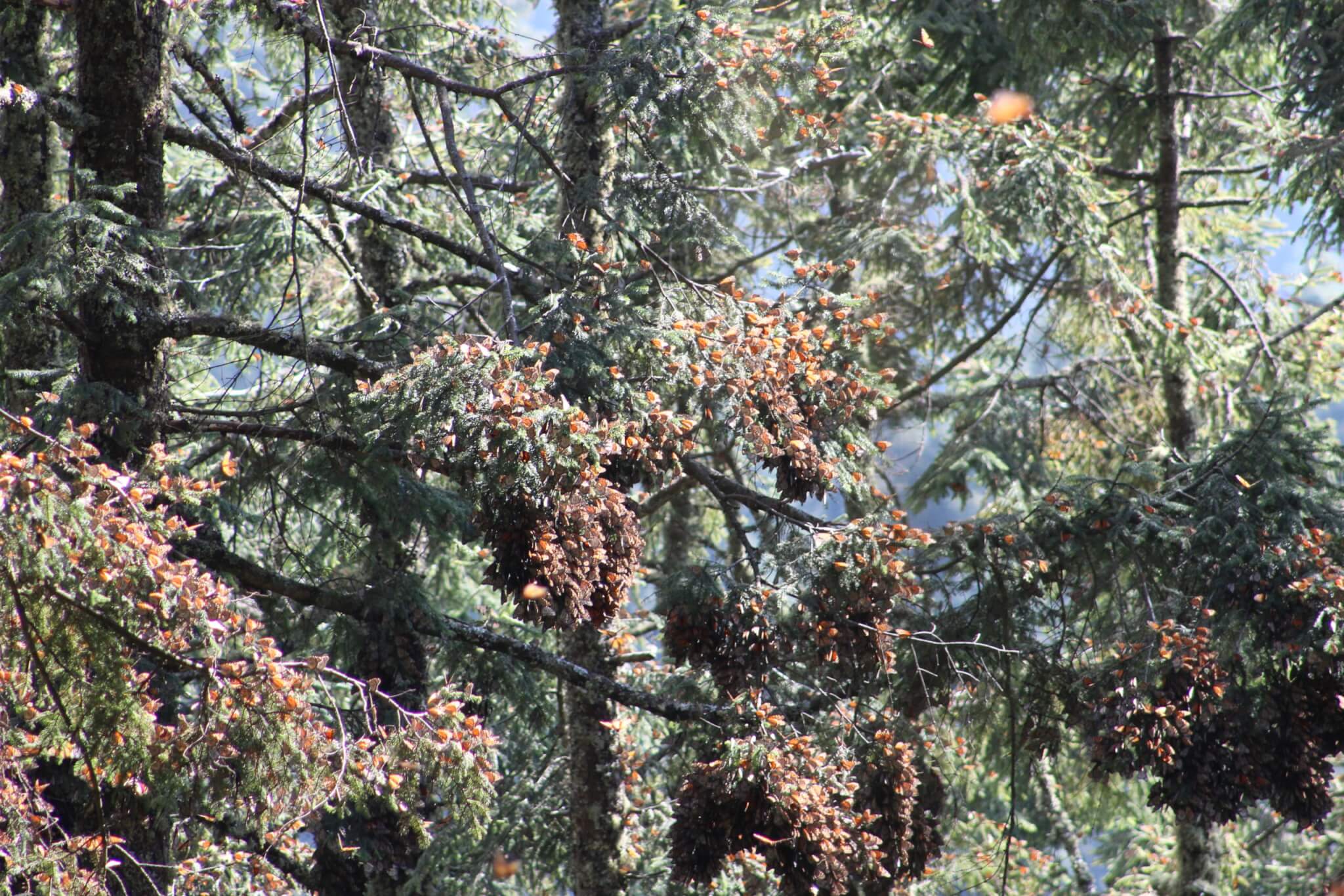
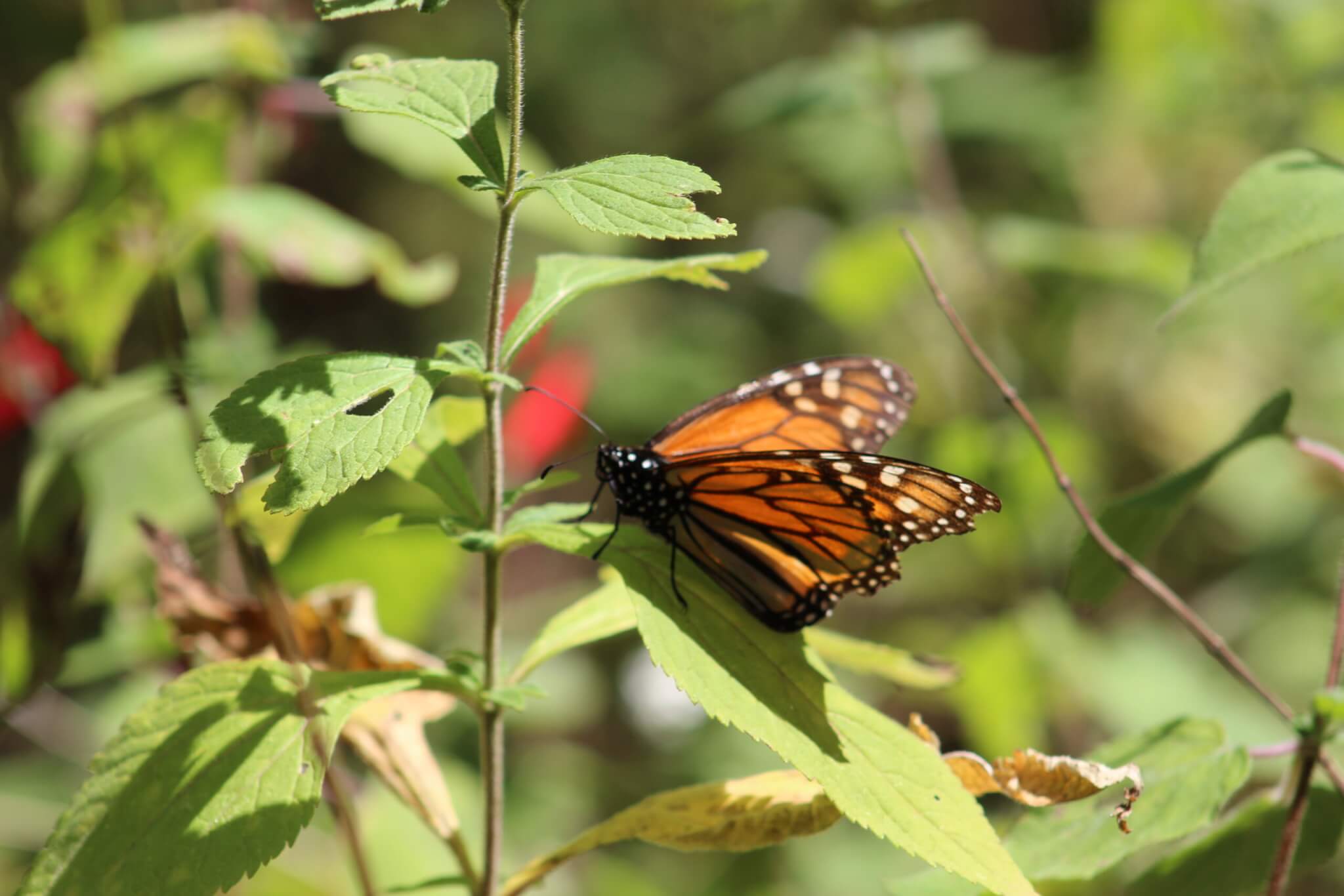
For untold decades, deforestation has crept across the mountainsides where the Monarch butterflies spend their winters, as the 100,000 or so inhabitants of the communities in the region seek out a living from the natural resources that are their birthright. The people’s right to utilize the economic resources they own has become a source of contention for environmentalists who want to preserve one of the world’s most important natural spectacles–the over-wintering of hundreds of millions of Monarch butterflies. Since the government declared the mountain peaks where the Monarchs roost as protected areas, and made it illegal to cut the trees, it has only made it harder for local families to earn a living. The Mexican Government and large NGOs have worked to try to restore the forests in order to protect the environment for the butterflies. These efforts, no matter how well funded and noble, did not address the core problem, the poverty of the communities.

1997 a New Vision is Born

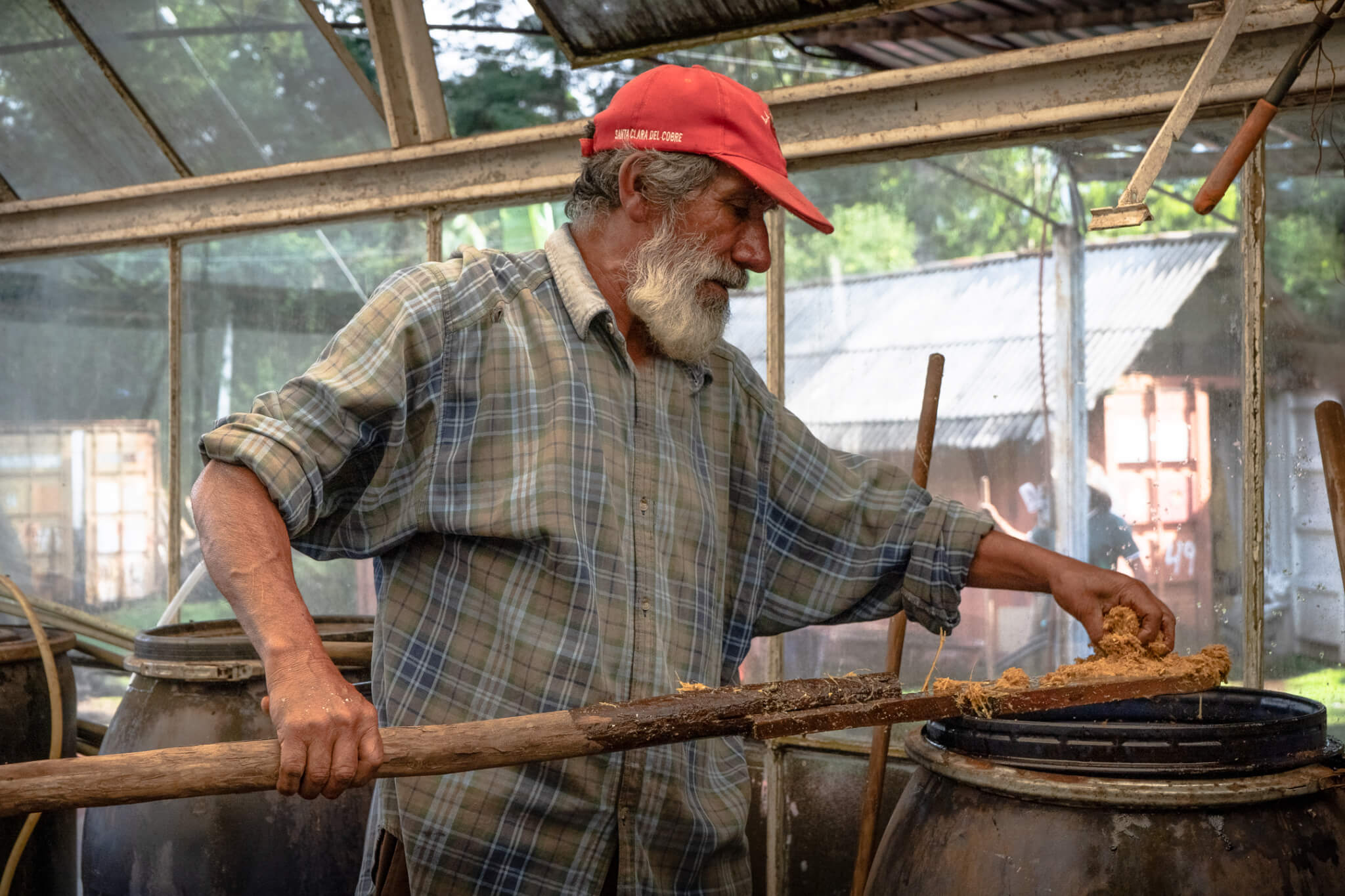
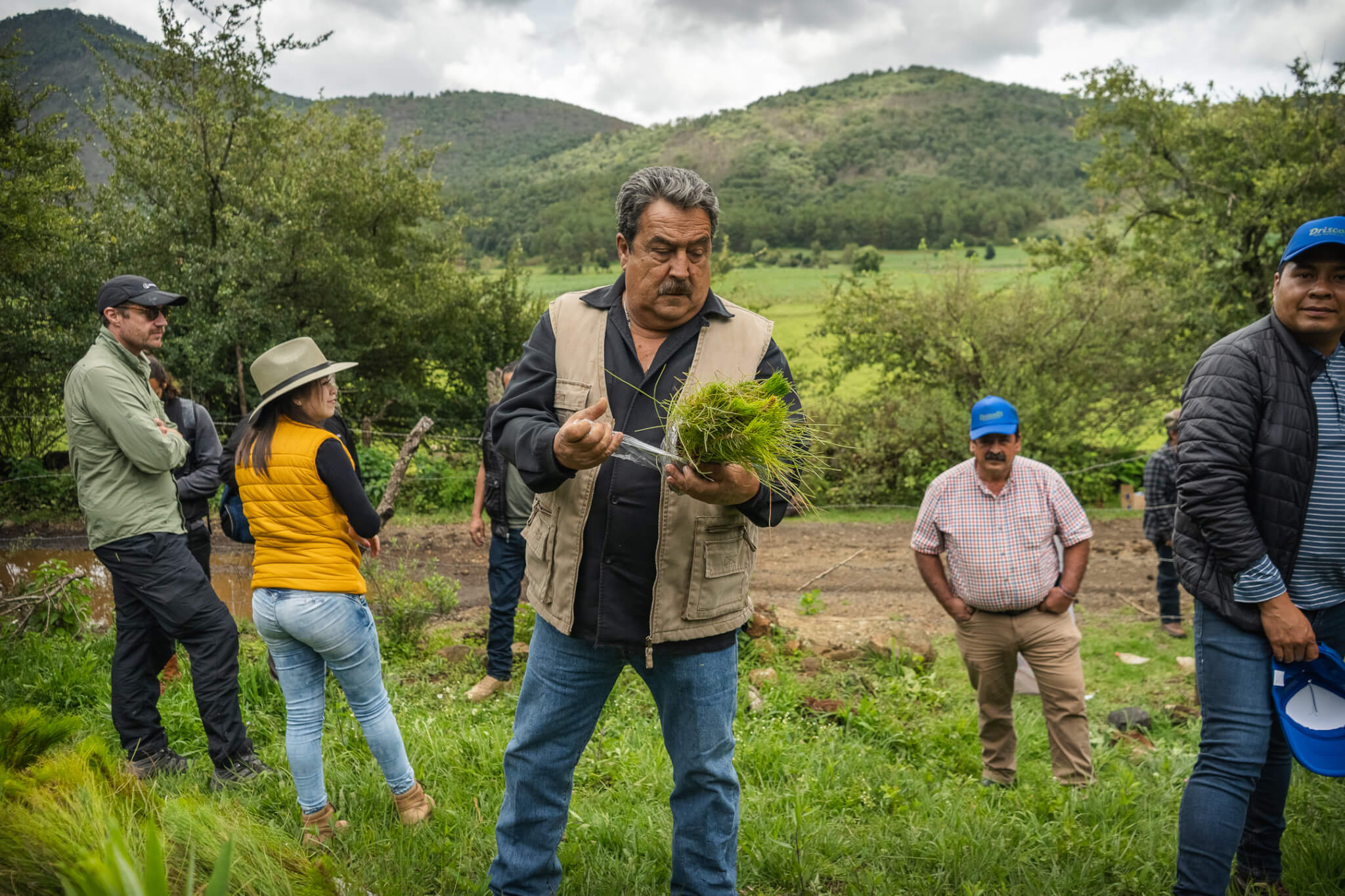
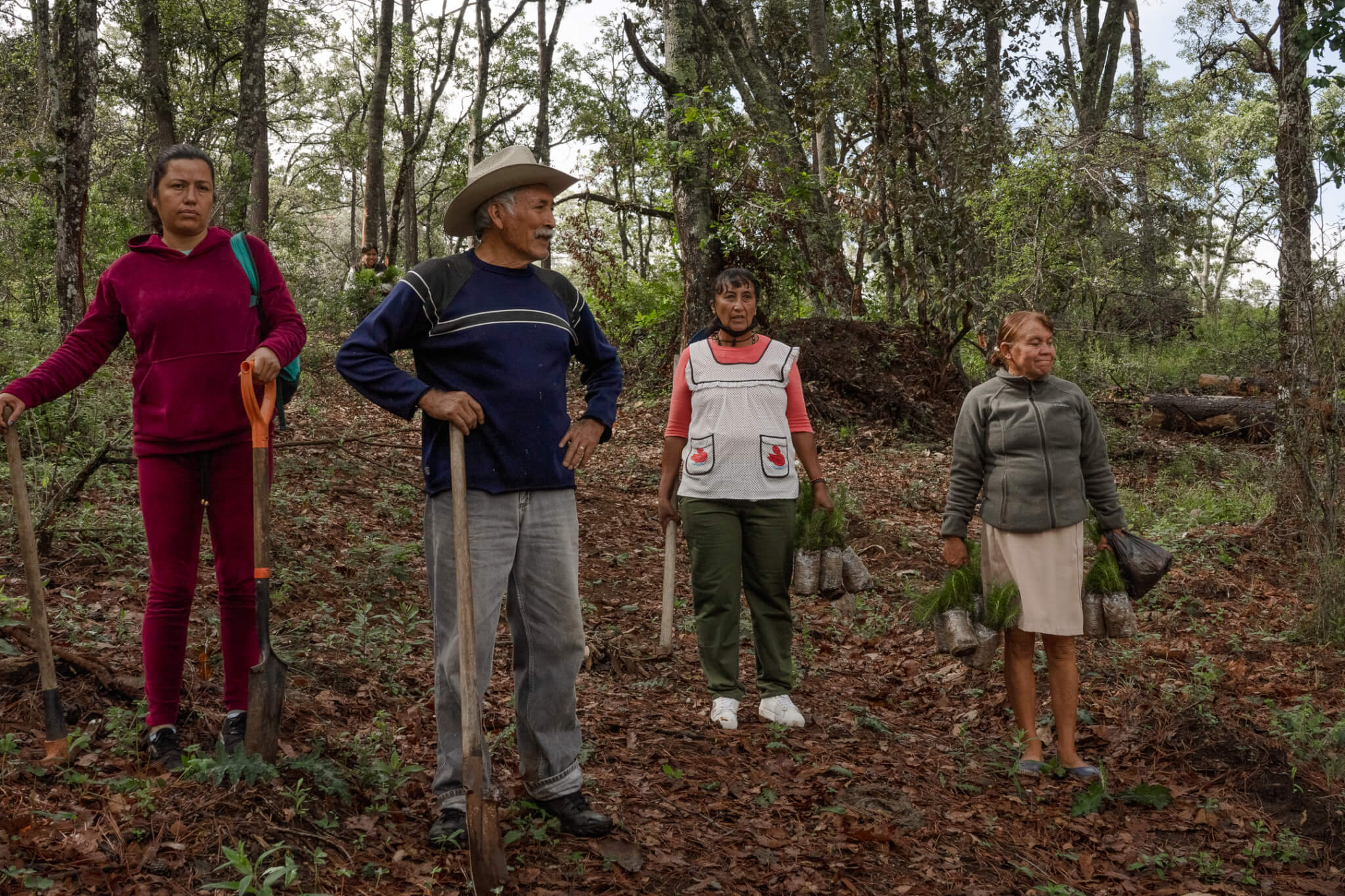
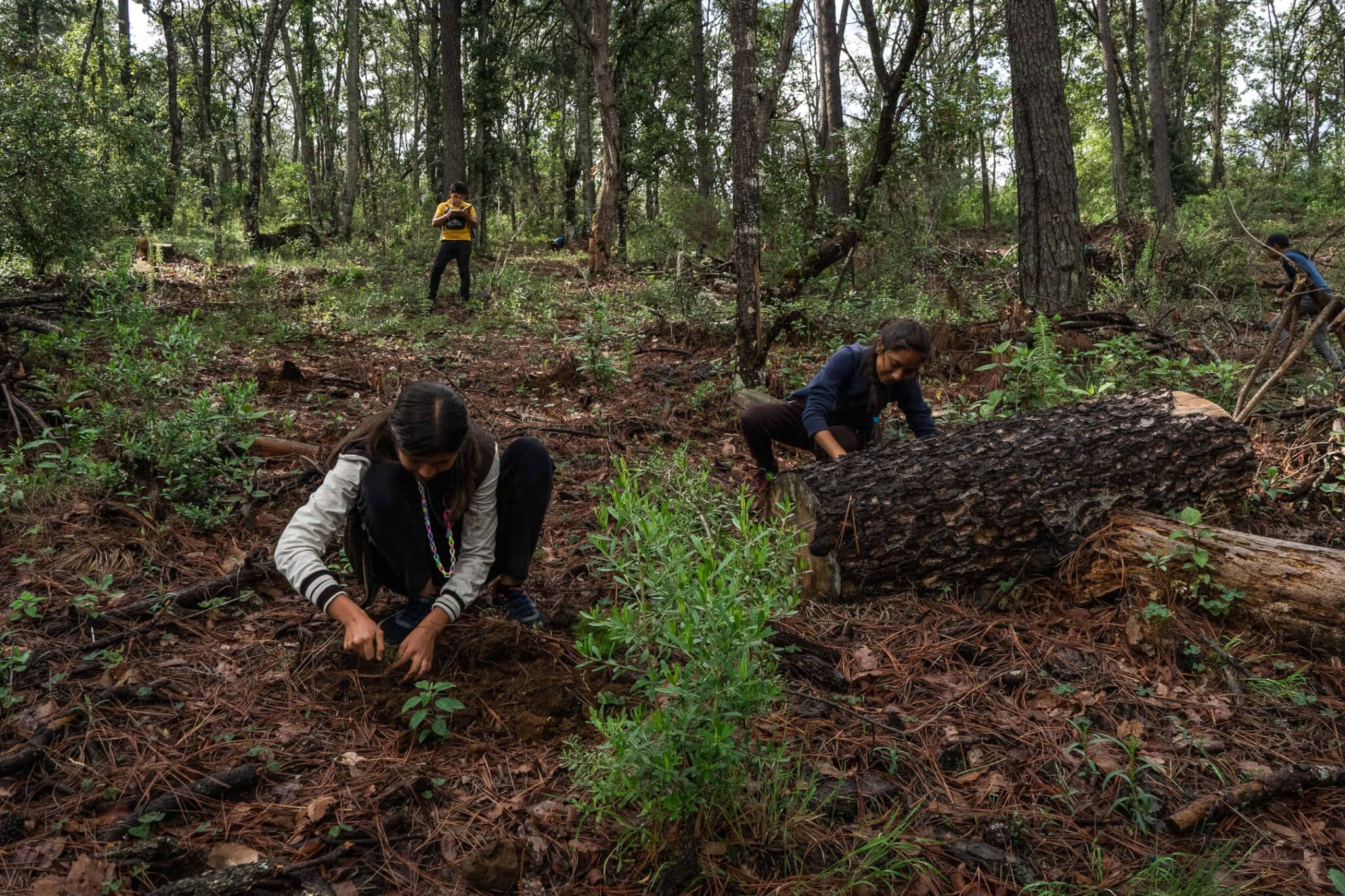
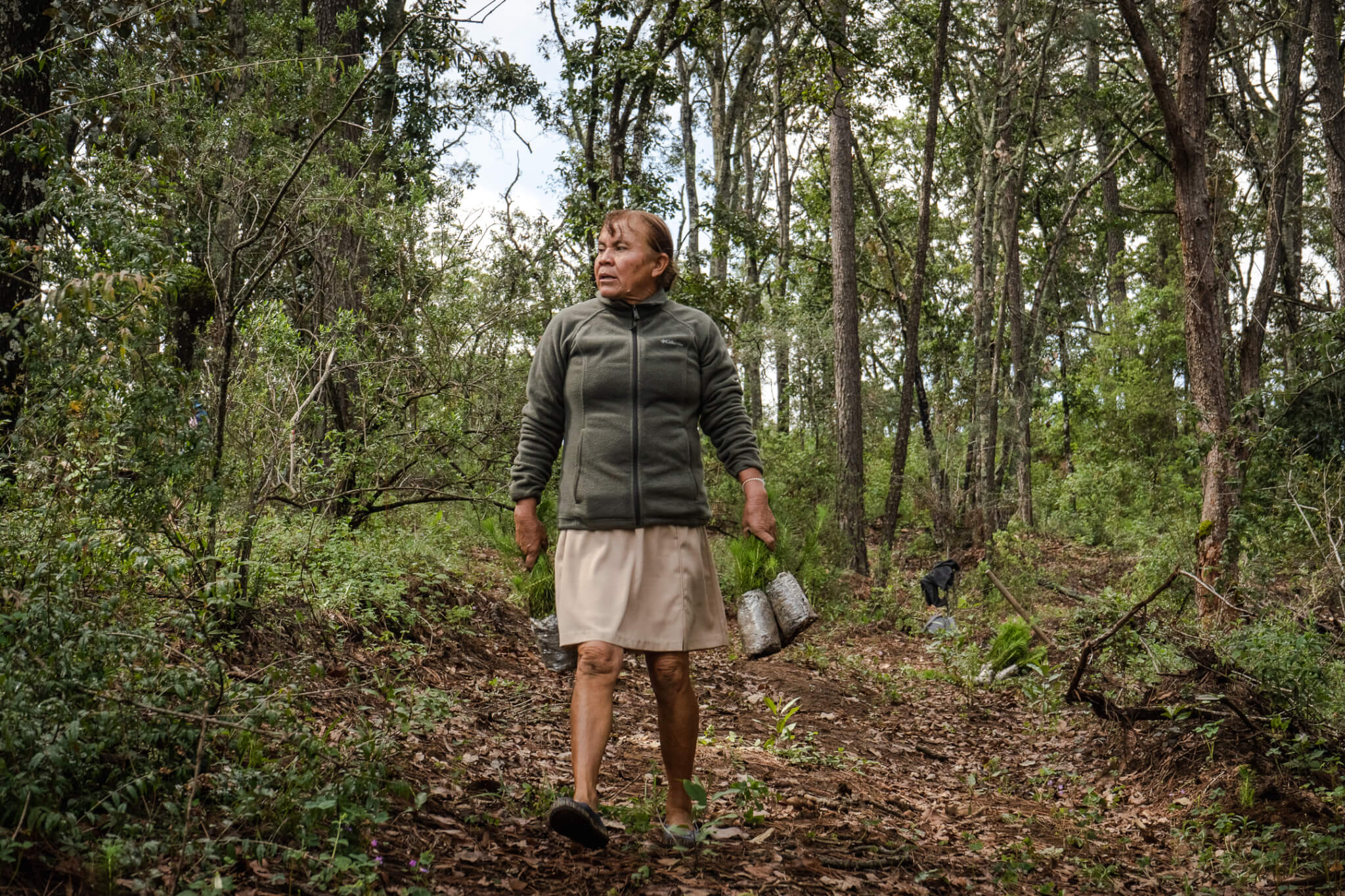
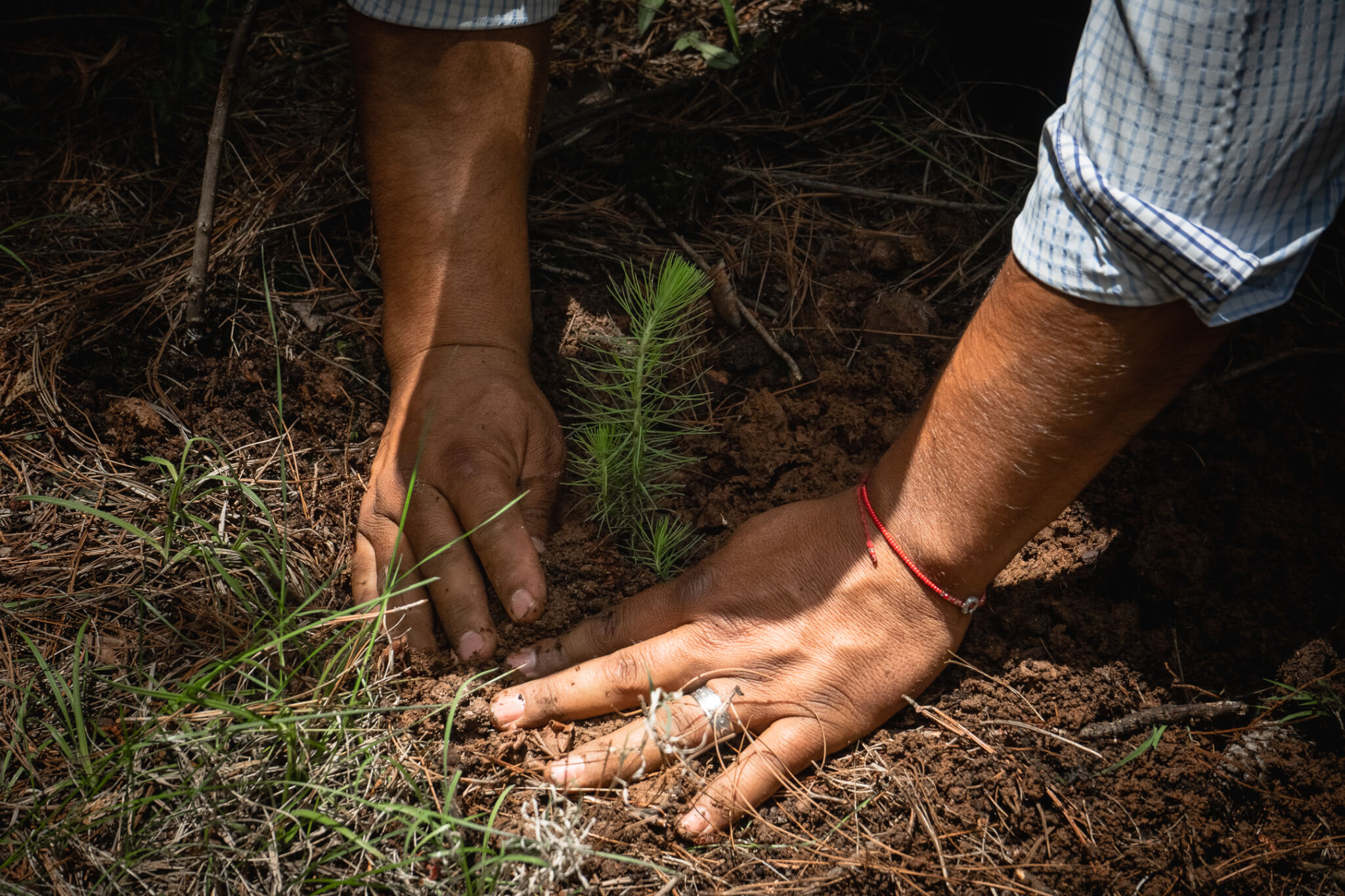
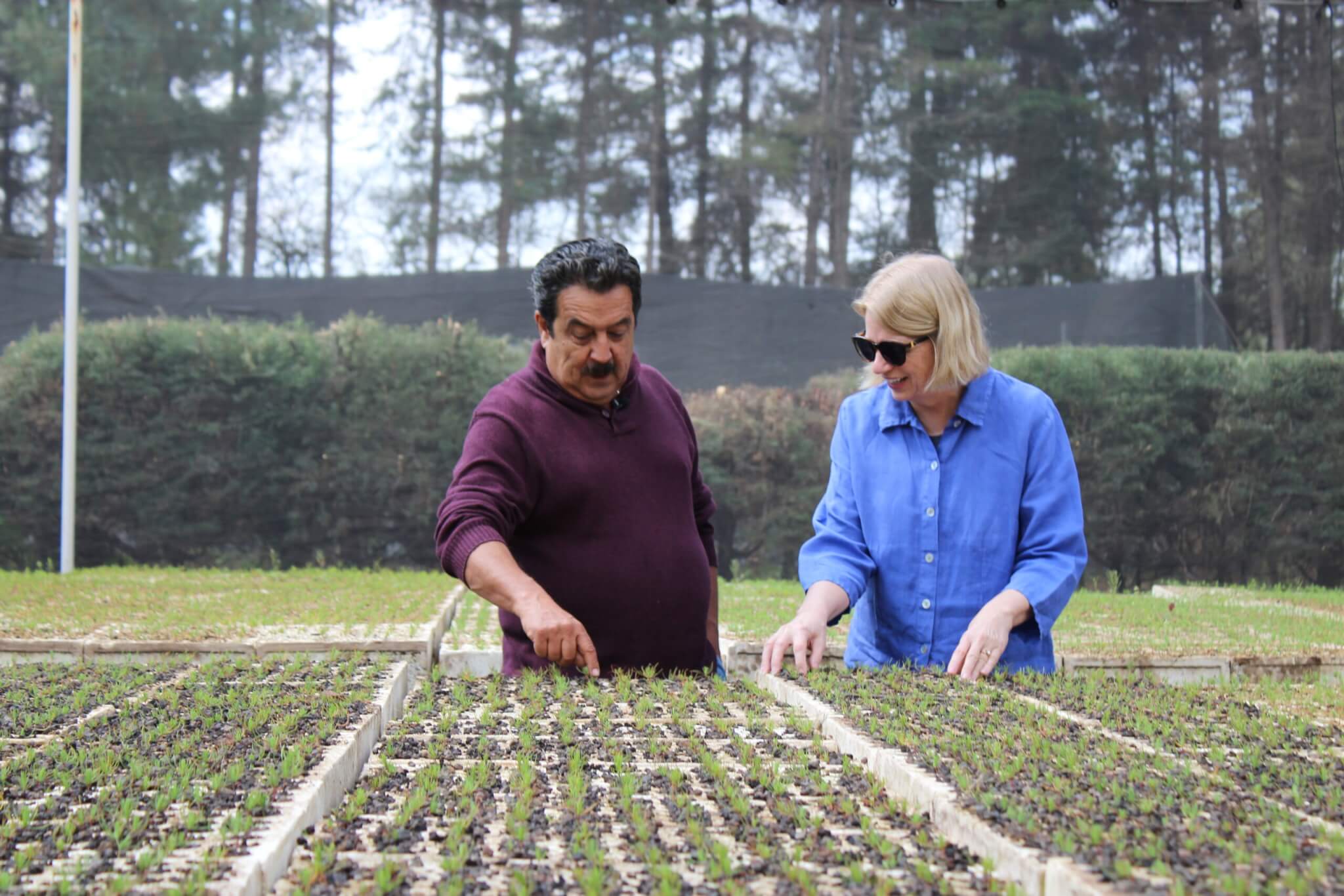
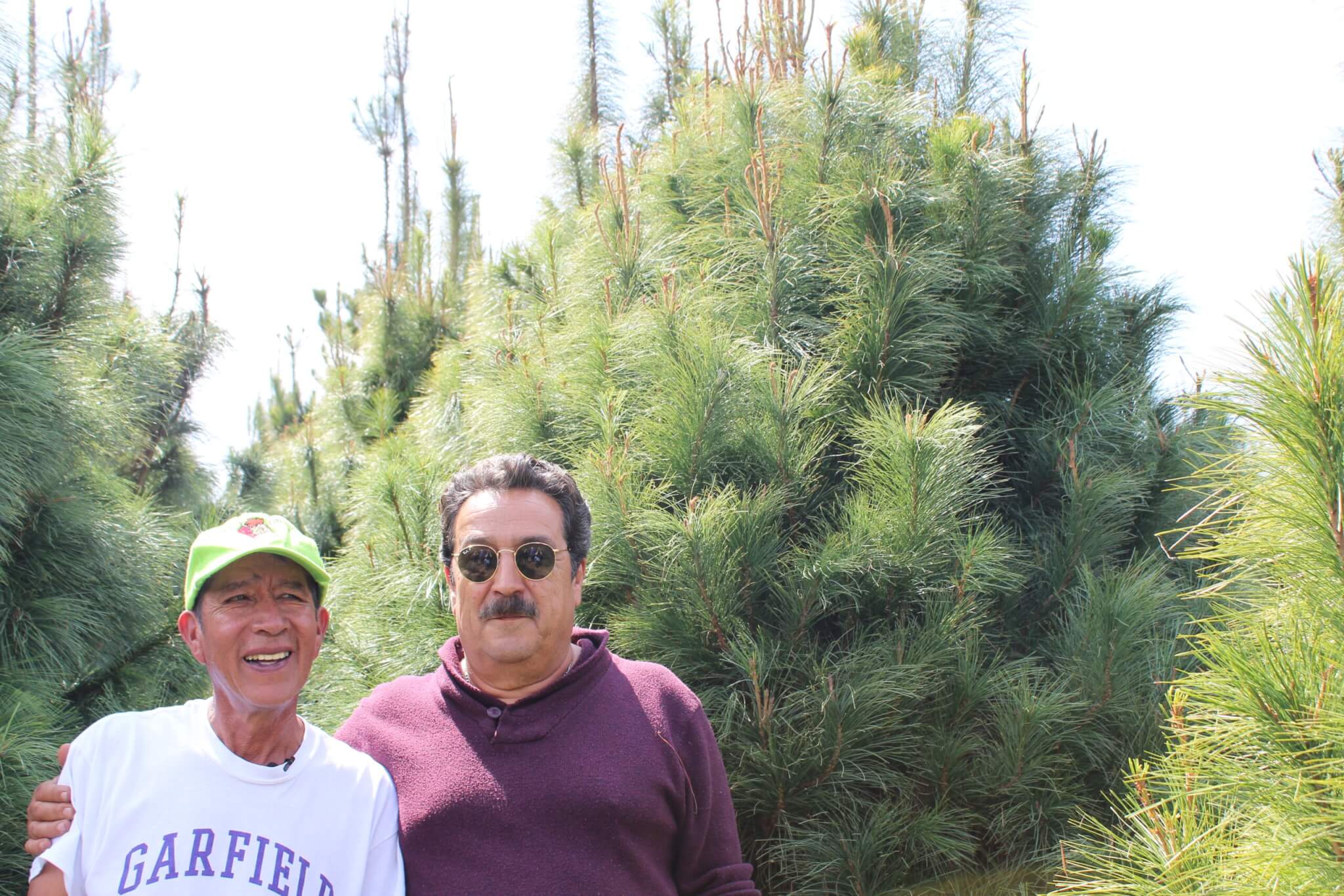
Jose Luis Alvarez, a Mexican tree nurseryman, who was selling trees for various reforestation projects, devised a bold and innovative way to restore the forests and at the same time give the people a source of revenue. He would help them plant woodlots that would become sustainable forests from which they would harvest to meet their economic needs, while providing wildlife habitat and protecting fragile mountain soils. The theory was that this would take pressure off the protected areas by providing legal alternatives. It would help the people to pull themselves out of the cycle of poverty in which they were trapped. In 1997, working as the La Cruz Project, Alvarez convinced five families from the Ejido of El Rosario, near the Monarch Sanctuary of the same name, to take a risk by planting trees instead of corn or oats on 3.5 hectares (over 8.5 acres).

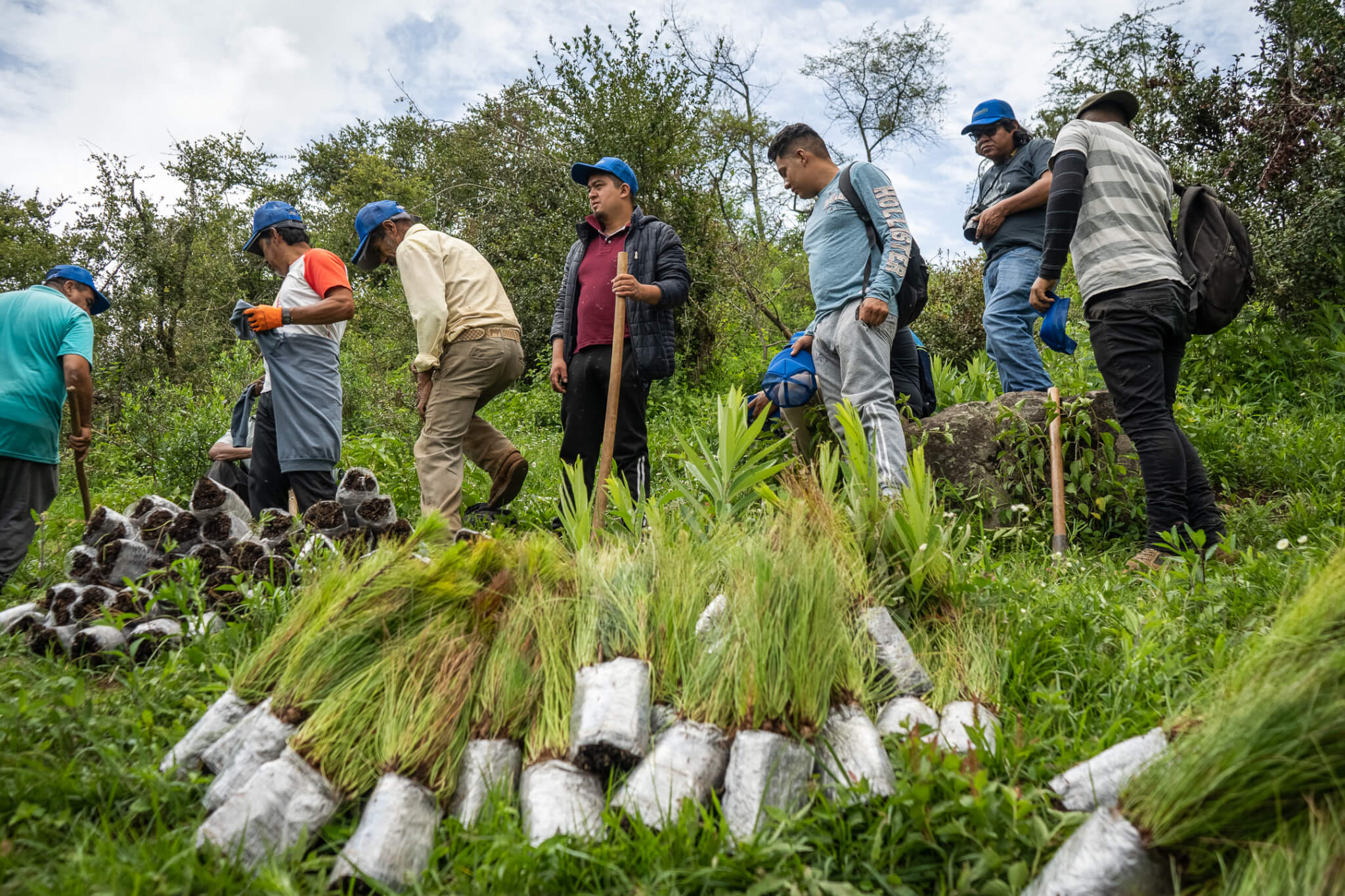
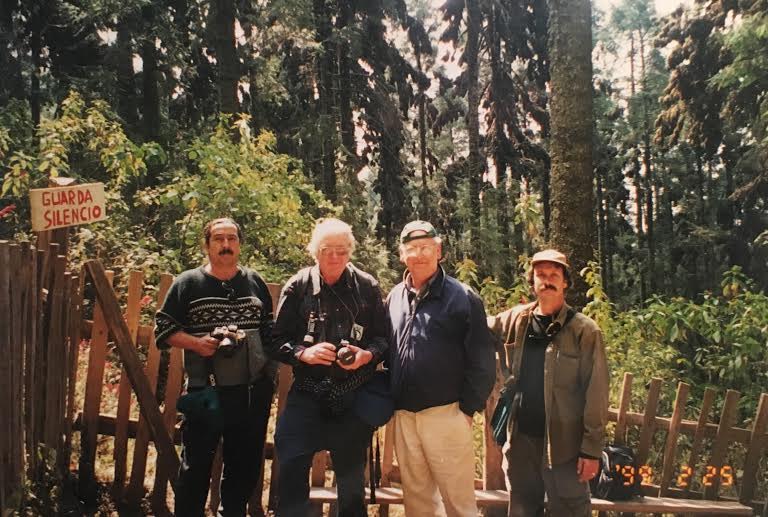
In 1998, with the help of Robert L. Small, who organized the Michoacan Reforestation Fund and raised money for the La Cruz Project from his home in California, 40,000 seedlings were given to twenty families. A team of courageous and determined believers joined forces and began to build the project, including Jose Luis Alvarez, Lincoln Brower, Bob Small and Ed Rashin. Bob Small passed away in November of 2004.

After Ten Years of Growth — Rebirth

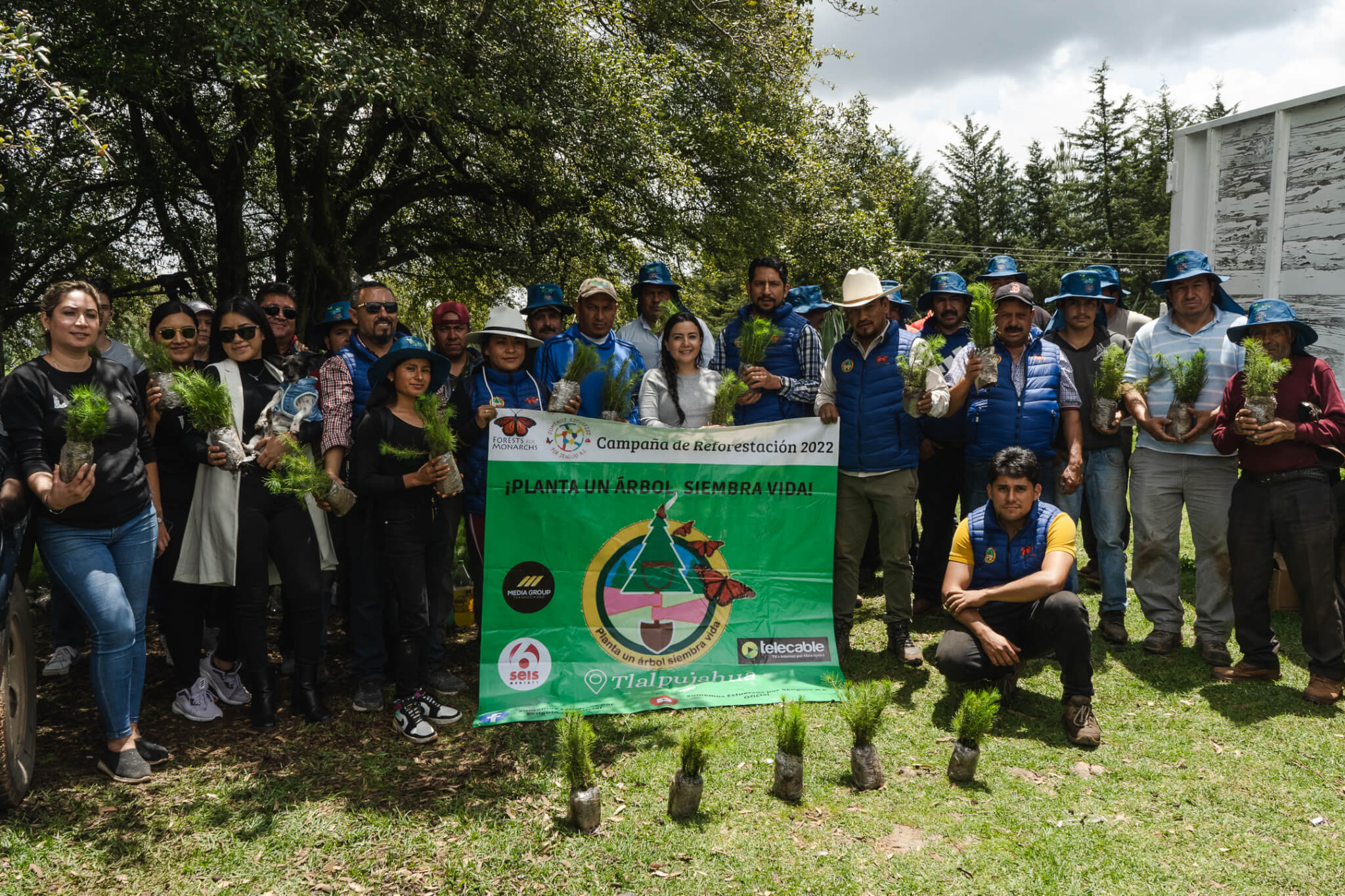
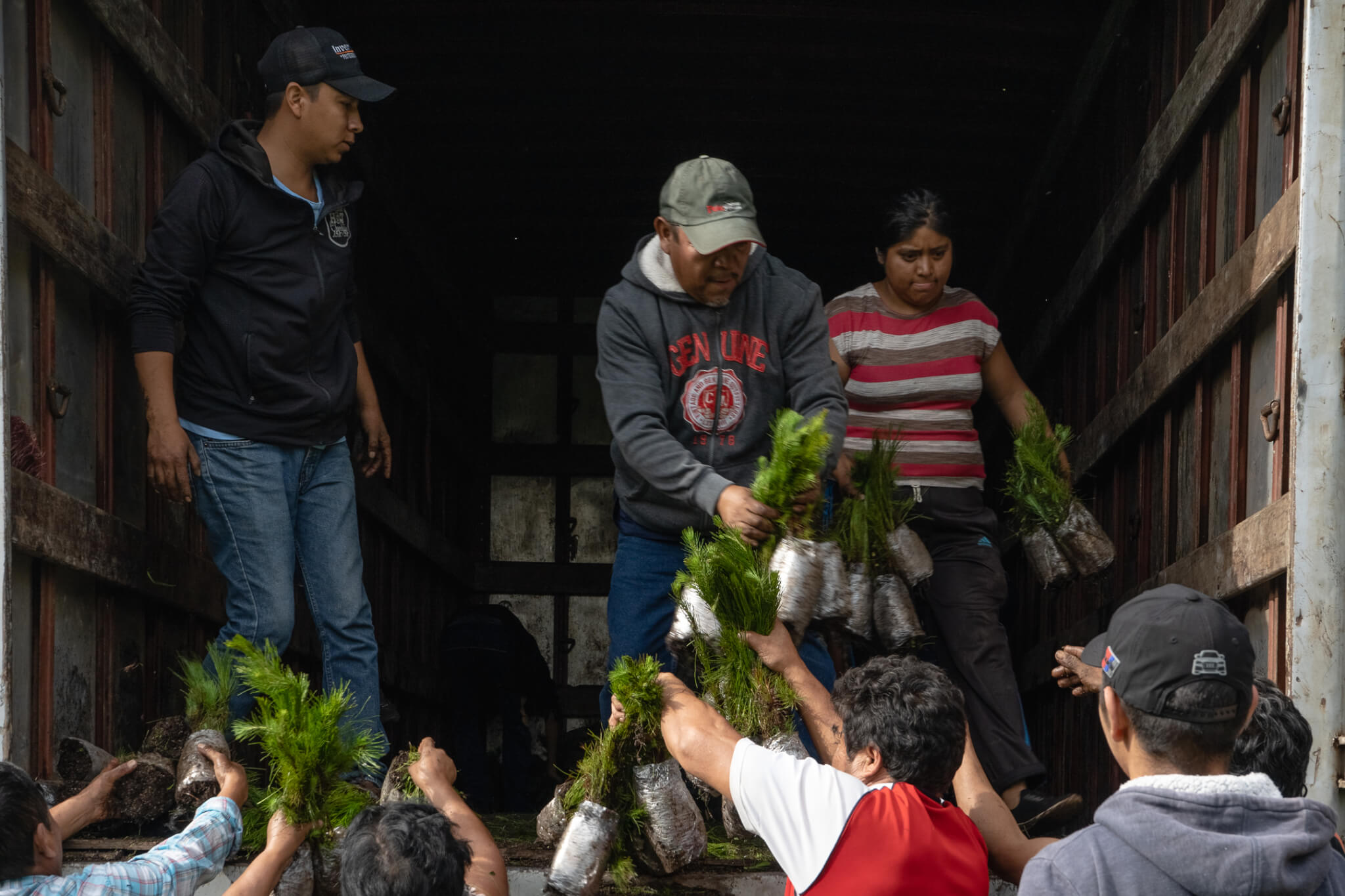
Now, La Cruz Habitat Protection Project is an American non-profit organization (La Cruz Habitat Protection Project, Inc.) operating as Forests for Monarchs, with a goal of planting 1 million trees each year. In 2008, our project was expanded to include the watersheds of two important highland lakes, Lake Patzcuaro and Lake Zirahuen, and in 2010 the cumulative total of trees planted surpassed 5 million.

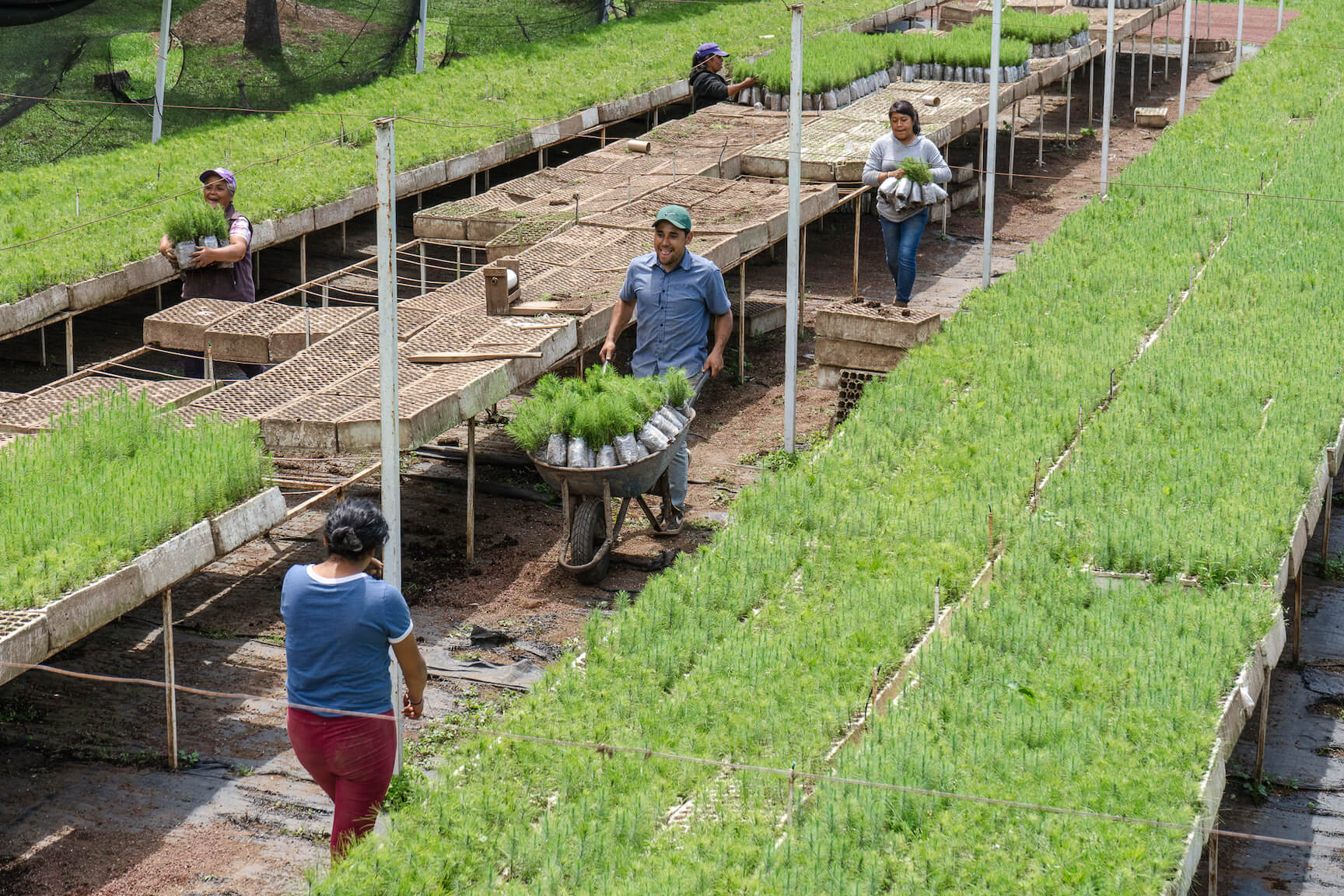
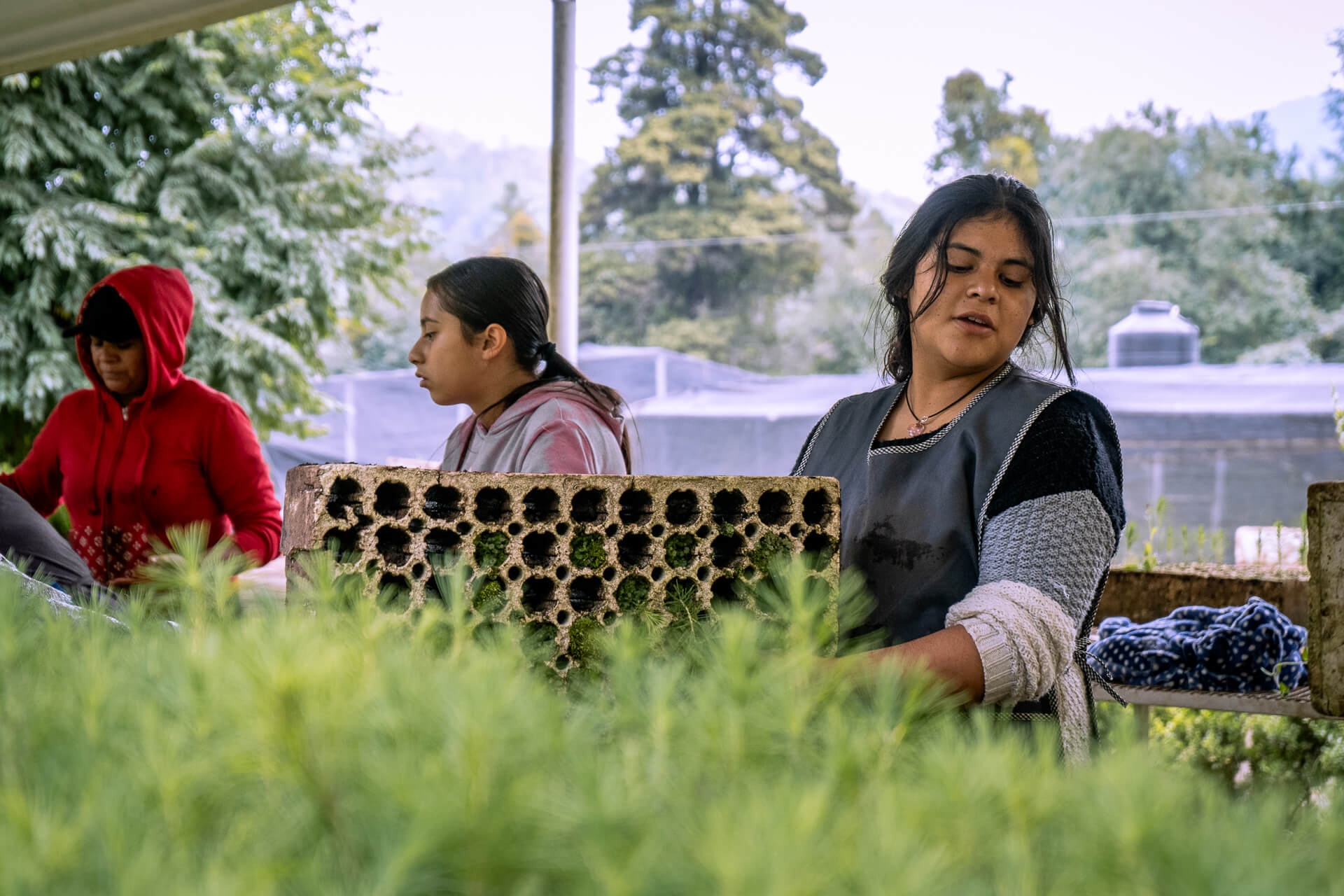
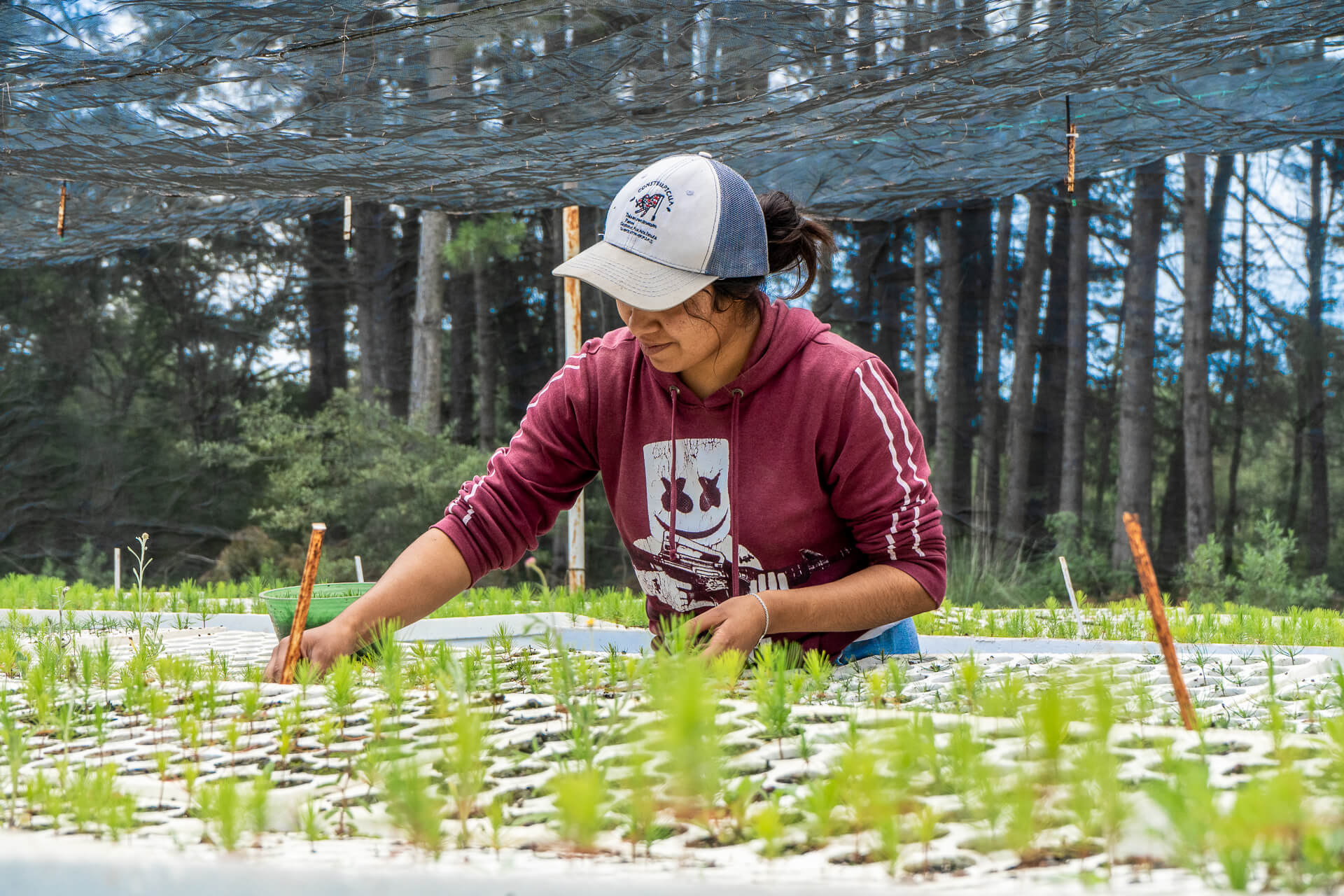
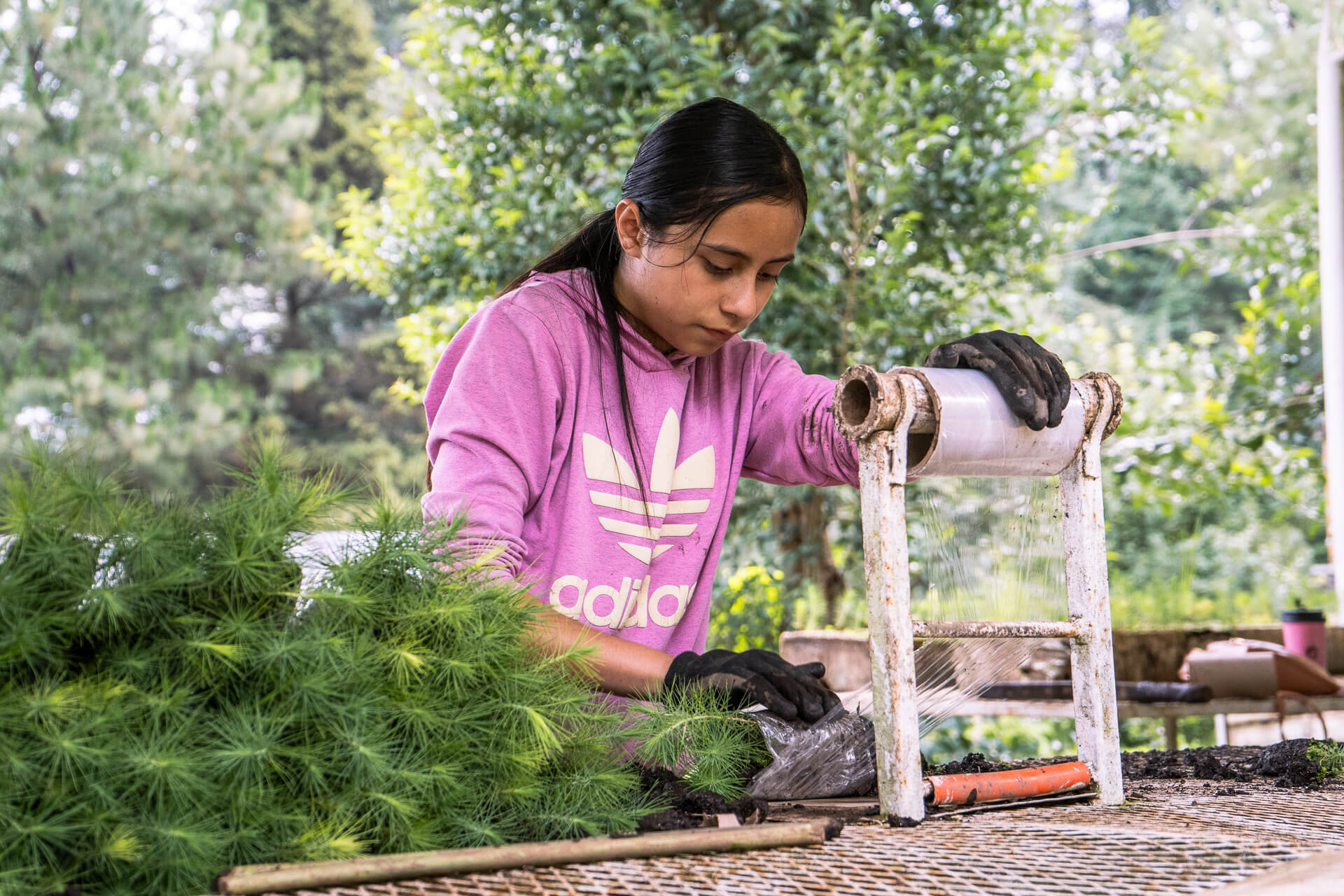
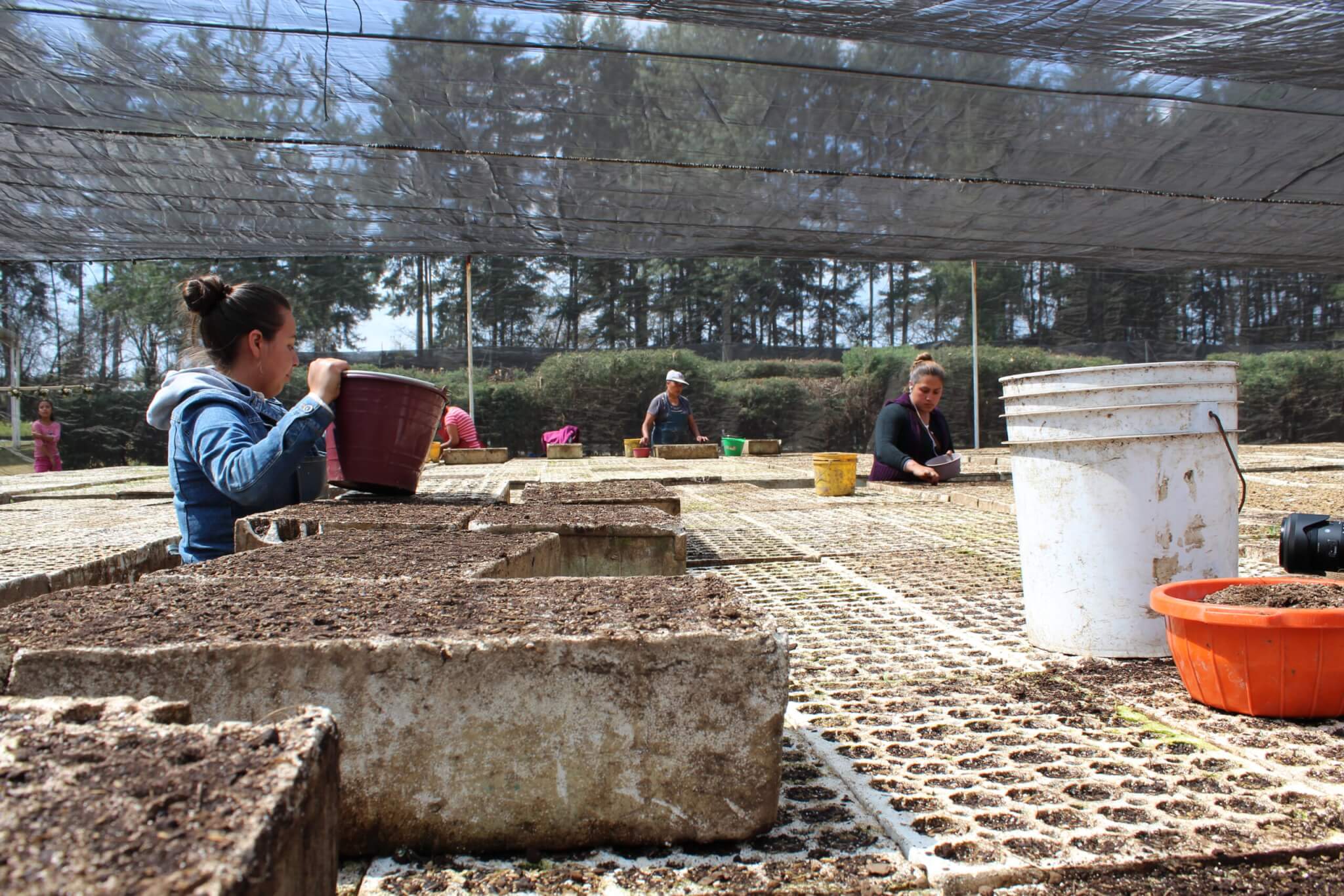
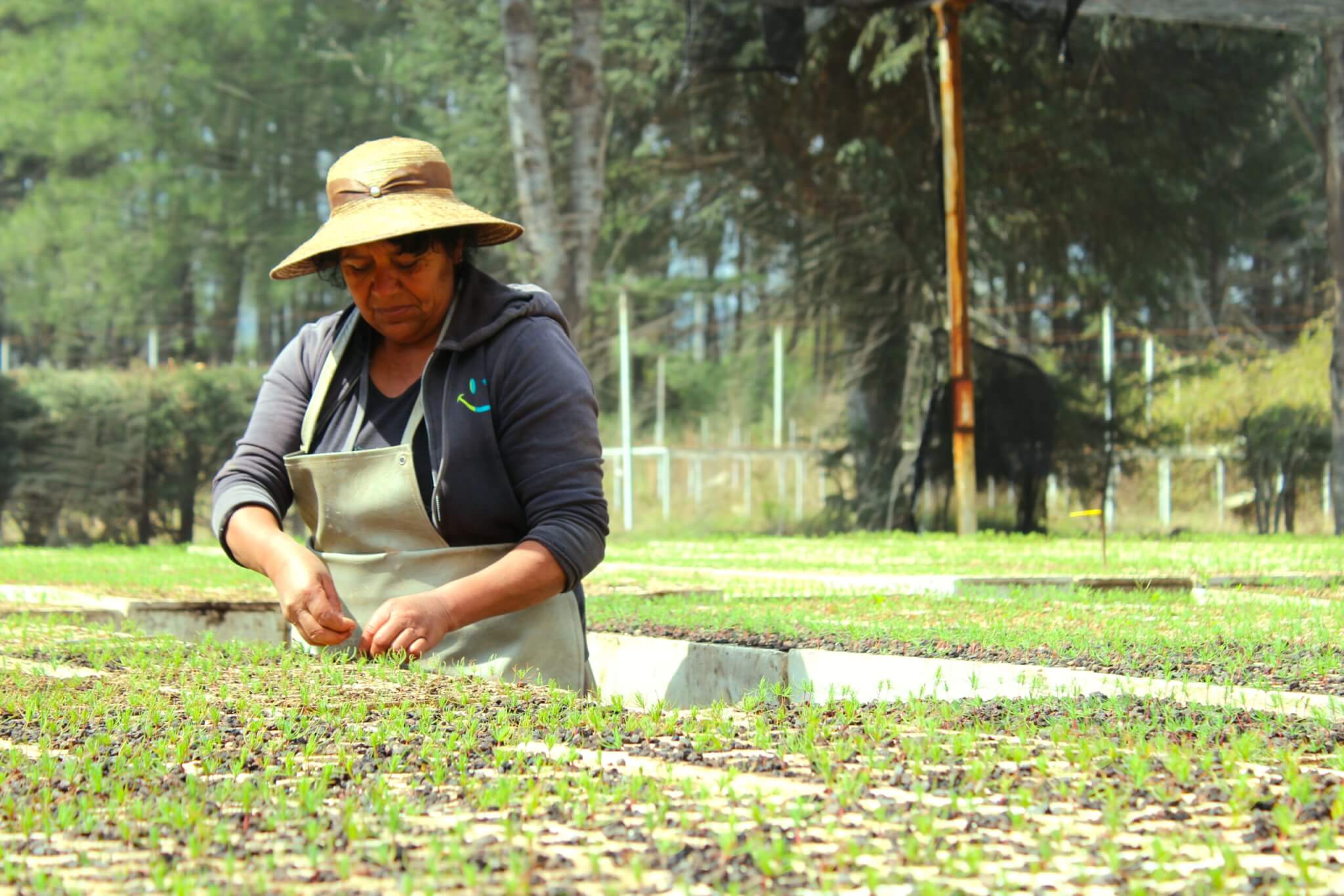
The enthusiasm of the participating communities around the lakes and in the monarch area has been gratifying. The growth of the project is not limited by a lack of willing participants or the availability of tree seedlings, since the program’s nursery is capable of producing 1 million tree seedlings annually.

Our project’s growth is limited only by the amount of financial support we are able to raise. With you support we can reach our million trees per year goal.


2010 Accomplishments

  • Planted 673,040 Trees
  • Published a Planting Guide in Spanish
  • Passed Landmark of 5,000,000 Trees Planted
  • Initiated Disaster Relief Effort in Monarch Area

4. Box Text