
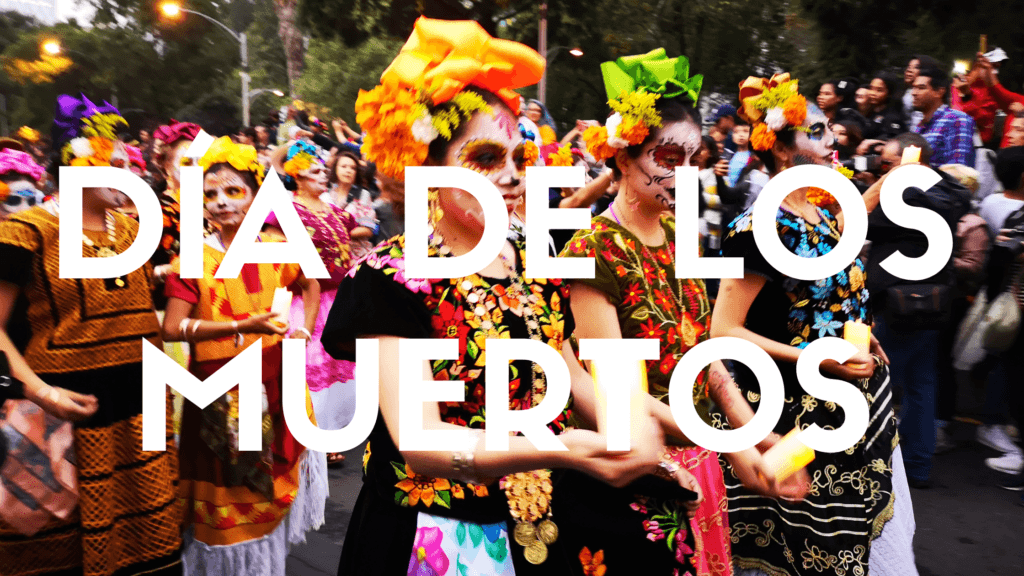
 When the Monarchs Return: Día de los Muertos
As we approach Día de los Muertos, or Day of the Dead, we look to the rich cultural traditions celebrated across Mexico during this special time.
In Michoacán, Día de los Muertos coincides with another meaningful celebration: the return of the monarch butterflies.
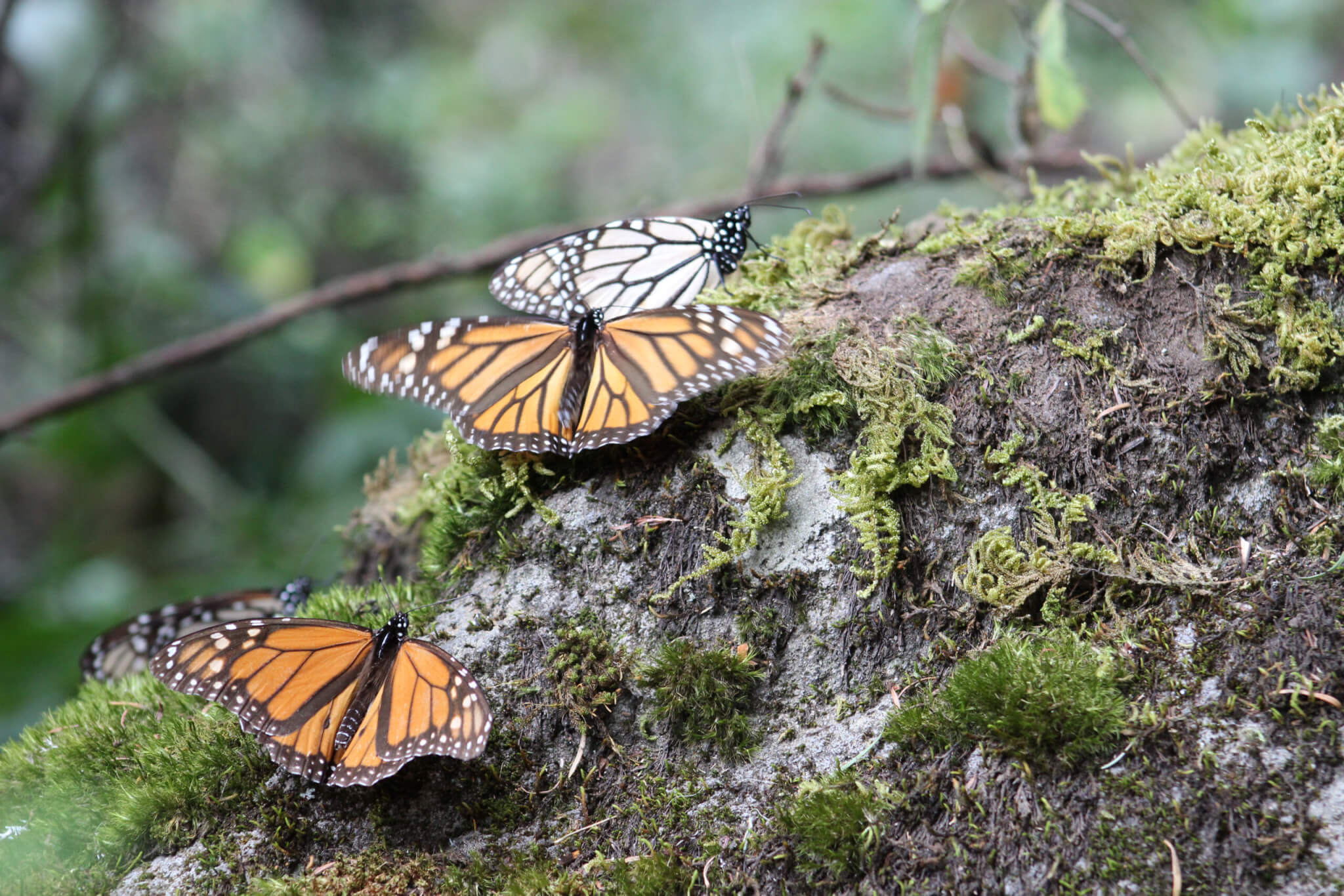
Each fall, monarchs travel thousands of miles from the United States and Canada to reach the forests of central Mexico. Their arrival in late October and early November has become deeply connected with the traditions surrounding Día de los Muertos – a beautiful convergence of migration, memory, culture, and the natural world.
Monarch Butterflies: Symbols of Migration and Rebirth
The monarch migration is an extraordinary story of resilience.
The butterflies arriving in Mexico belong to a special “super generation.” Unlike the monarch generations that live for only a few weeks during the spring and summer migration north, this generation can live for months- traveling thousands of miles before overwintering in the mountains of central Mexico.
Remarkably, these butterflies have never made the journey before. Yet generation after generation, they find their way back to the same region their ancestors reached.
Their arrival coincides with Día de los Muertos. For many Indigenous communities in Michoacán, monarchs have come to represent the souls of loved ones returning to visit. Monarchs appear throughout the holiday in art, costumes, altars, and decorations.
It is difficult to imagine a more fitting symbol of resilience, transformation, and return.

Día de los Muertos and Its Significance
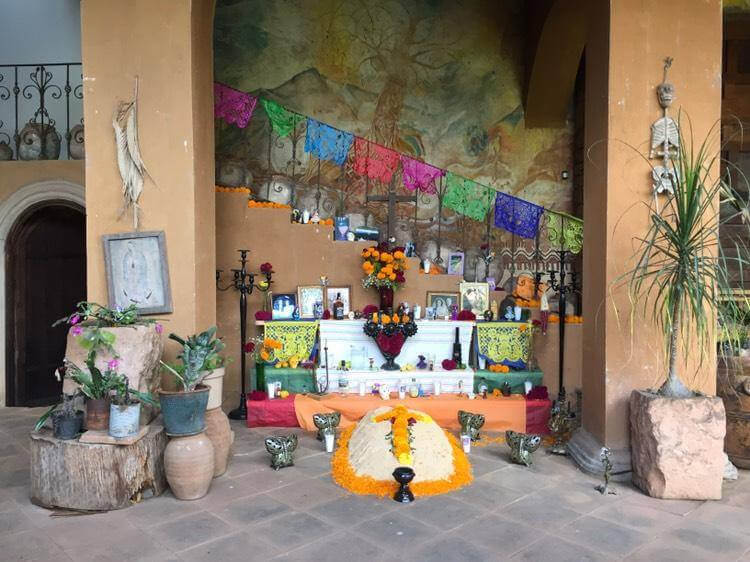
During Día de los Muertos, families come together to create ofrendas to honor loved ones who have passed.
These altars are often decorated with brilliant orange cempasúchil, or marigolds, along with photographs, mementos, candles, calaveras (sugar skulls), and the departed’s favorite foods and drinks.
Rather than being solely a time of mourning, Día de los Muertos celebrates life, memory, and the connections that continue from one generation to the next.
Here in Michoacán, those themes feel particularly meaningful.
For nearly 30 years, Forests for Monarchs has partnered with local communities to restore the landscapes people and wildlife depend on. Like the monarch migration itself, forest restoration requires resilience. A seedling planted on a degraded hillside will take years to become part of a mature forest. Restoring a landscape means investing in something whose greatest benefits may be experienced by the generations that follow us.
The monarchs remind us every year why that work matters.
How to Celebrate
- Visit Pátzcuaro: If you have the opportunity, consider experiencing Día de los Muertos in Pátzcuaro and the surrounding communities. Located in Michoacán’s Highland Lakes region, where Forests for Monarchs has worked for decades, Pátzcuaro is renowned for its Día de los Muertos traditions. Visitors should remember that this is first and foremost an important cultural and spiritual tradition for local families and communities.
- Set Up an Ofrenda: Even if you’re far from Michoacán, you can honor a loved one with an ofrenda. Include photographs, favorite foods, flowers, and meaningful objects that celebrate their life and memory.
- Learn About the Monarchs: Take some time to explore the monarch’s extraordinary migration and its connection to Mexican culture. Their journey across North America is a remarkable example of resilience and a reminder of how connected our landscapes truly are.
- Help Create a More Resilient Landscape: Plant native flowers and milkweed where you live, learn about habitat restoration, or support conservation efforts throughout the monarch’s migratory range. Protecting monarchs requires healthy habitat from Canada to Mexico.
This Día de los Muertos, we celebrate the beauty of life, remember those who came before us, and recognize the resilience that carries both traditions and the natural world from one generation to the next.
More Monarch Magic
Want to keep exploring the connection between monarchs, Mexican culture, and conservation? Here are a few of our favorite resources:
- Monarchs, Culture & Conservation: In 2022, our founder, José Luis Alvarez, was interviewed by Smithsonian Folklife Magazine for a story exploring the cultural importance of monarch butterflies and efforts to protect them. Read “Winged Messengers: How Monarch Butterflies Connect Culture and Conservation in Mexico”
- Beauty on the Wing: Watch documentaries like Beauty on the Wing, by PBS, to better understand the monarch’s remarkable journey. Watch it here.
- Understanding the Monarch’s Conservation Status: The U.S. Fish and Wildlife Service proposed listing the monarch butterfly as threatened under the Endangered Species Act in 2024, but a final decision has now been delayed until June 2030. In the meantime, monarchs remain without federal ESA protections, making continued conservation efforts across their migratory range all the more important. Read more about the decision and what it means for monarchs.
- Learn More About Día de los Muertos: Explore the history, art, and traditions surrounding the holiday through The Mexican Museum. Learn more about Día de los Muertos
STAY INFORMED
To receive the most up-to-date information on monarch conservation efforts, the state of the monarch population, and what is being done to help, sign up for our e-newsletter: SIGN UP HERE. Visit our blog, The Pollinator Chronicles, for more information on the monarch butterfly.
